
If you’ve just started using Himalayan shilajit, the timing question probably came up quickly. Before training? After? With food? On an empty stomach? The answers you find online tend to conflict – which is partly because the research is still catching up with centuries of traditional use, and partly because individual responses genuinely vary.
This guide breaks it down clearly: what the science supports, what Ayurvedic tradition recommends, and what tends to work in practice for people who train regularly.
What Is Shilajit, Really?
Shilajit is a thick, tar-like resin that seeps out of rocks in the Himalayas and other high-altitude mountain ranges during warmer months. It forms over centuries from decomposed plant matter and is rich in fulvic acid, humic acid, and over 80 trace minerals.
In Ayurvedic medicine, it’s classified as a rasayana – a rejuvenating substance. Modern research has started examining it for its effects on mitochondrial function, testosterone levels, fatigue reduction, and cognitive performance. The evidence so far is promising but still limited in scale, so keeping realistic expectations matters.
Taking Shilajit Before a Workout
The argument for pre-workout timing centers on energy and endurance. Fulvic acid – shilajit’s most studied active compound – appears to enhance mitochondrial efficiency, which is essentially how well your cells convert food into usable energy. A 2012 study published in the Journal of Medicinal Food found that shilajit supplementation helped improve energy metabolism in participants over an 8-week period.
In practice, many athletes and gym-goers who use shilajit report feeling a mild but noticeable lift in stamina – not the sharp spike you’d get from caffeine, but something steadier. Think of it less like a stimulant and more like a slow-burn metabolic nudge.
Recommended timing: 30 to 45 minutes before training.
Why it may help:
- Supports cellular energy production (ATP synthesis)
- May reduce perception of fatigue during longer sessions
- Fulvic acid helps nutrient absorption from your pre-workout meal
What’s often overlooked is that shilajit isn’t a fast-acting supplement. Unlike caffeine or creatine monohydrate, its effects accumulate over weeks of consistent use. Taking it only on workout days won’t build the same baseline as taking it daily.
Taking Shilajit After a Workout
Post-workout is when your body is in active repair mode. Muscles are breaking down and rebuilding, cortisol levels are elevated, and nutrient uptake is heightened. There’s a reasonable case for shilajit here as well.
Some research suggests shilajit may help reduce exercise-induced oxidative stress and inflammation – both of which are elevated after intense training. A 2019 study in the Journal of the International Society of Sports Nutrition found that shilajit supplementation in recreationally active males preserved muscle strength and reduced fatigue markers following eccentric exercise.
From a recovery standpoint, the minerals in shilajit – including magnesium, zinc, and iron – also support muscle repair and electrolyte balance. These get depleted during intense sessions, especially if you sweat heavily.
Recommended timing: Within 60 minutes after training, ideally with a post-workout meal or protein shake.
Practical note: Some people find shilajit slightly stimulating and prefer to avoid it in the evening if they train at night. Worth watching how your body responds in the first week.
The Morning-on-Empty-Stomach Approach
Interestingly, most Ayurvedic practitioners don’t frame shilajit timing around workouts at all. The traditional recommendation is to take it first thing in the morning – dissolved in warm water or milk – before eating anything.
The reasoning: fulvic acid is better absorbed in an alkaline gut environment, which is what you have before the digestive system gets flooded with food. There’s also a logic to building habitual consistency; morning rituals tend to stick better than mid-day or post-gym intentions.
For people who don’t always train in the morning, this approach sidesteps the timing dilemma altogether. You take shilajit daily at the same time, keep absorption consistent, and let the cumulative effects build over weeks.
This is arguably the most practical approach for most people – not because it’s the most optimized, but because it’s the most sustainable.
Comparison: Pre-Workout vs. Post-Workout vs. Morning
| Timing | Best For | When to Use |
|---|---|---|
| Pre-workout (30-45 min before) | Energy, endurance, focus | Morning or afternoon trainers |
| Post-workout (within 60 min) | Recovery, reducing fatigue, mineral replenishment | After intense sessions |
| Morning, empty stomach | Daily consistency, absorption, overall wellness | Everyone – especially beginners |
There’s no single “correct” answer. If you train in the morning, taking it 30-40 minutes before your session covers both the pre-workout and the morning empty-stomach windows. If you train in the evening, morning consumption still works fine for the cumulative benefits.
Dosage and How to Take It
Shilajit comes in a few forms: resin (the most potent and least processed), powder, and capsules. Resin is generally considered the gold standard because it undergoes minimal processing.
Standard dosage: 300-500 mg per day for most adults. Some practitioners recommend starting at 150-200 mg and increasing gradually.
How to take it:
- Dissolve a pea-sized amount of resin in warm (not boiling) water, milk, or herbal tea
- Capsules: follow the label dosage, typically 1-2 per day
- Avoid mixing with tap water that contains chlorine – it can degrade active compounds
Cycling is sometimes recommended: 6-8 weeks on, 1-2 weeks off. While there’s limited clinical evidence mandating this, it’s a sensible precaution given that long-term high-dose effects haven’t been extensively studied.
Common Mistakes People Make
Taking it inconsistently.
Shilajit is not a pre-workout booster in the conventional sense. The benefits compound with regular, daily use. Sporadic consumption gives you little of the cumulative effect.
Using low-quality products.
Shilajit is one of the most frequently adulterated supplements on the market. Some products are diluted with fillers or contain heavy metals if sourced improperly. Always choose a brand that provides third-party testing and specifies that it’s purified and tested for heavy metals.
Expecting immediate results.
Most people who benefit from shilajit notice changes after 3-6 weeks of consistent use. If you’re expecting a Day 1 transformation, you’ll likely be disappointed and give up too early.
Taking it with coffee or caffeinated drinks.
Caffeine can interfere with some of shilajit’s mineral absorption. Warm water or milk is a safer vehicle.
Who Should Avoid Shilajit
Shilajit is generally considered safe for healthy adults when taken at recommended doses. That said, it’s not appropriate for everyone.
Avoid or consult a doctor first if you:
- Are pregnant or breastfeeding (insufficient safety data)
- Have hemochromatosis (excess iron storage disorder) – shilajit contains iron
- Have active gout – purines in shilajit may raise uric acid levels
- Are on blood thinners or immunosuppressants
- Have a known allergy to plant-based resins
From a clinical perspective, the biggest risk with shilajit is product quality, not the substance itself. Poorly sourced or unprocessed shilajit can contain heavy metals including lead and arsenic. This is why sourcing from reputable, tested suppliers matters more here than it does with most supplements.
FAQs
Q: Can I take shilajit on an empty stomach?
Yes, and for many people this improves absorption. Start with a smaller dose if your stomach is sensitive.
Q: How long before a workout should I take shilajit?
30 to 45 minutes is the general guideline for pre-workout timing.
Q: Can I take shilajit every day?
Yes. Daily use at recommended doses is both safe and more effective than taking it intermittently. Many practitioners suggest cycling it every 6-8 weeks, though this isn’t strictly necessary for everyone.
Q: Does shilajit increase testosterone?
Some studies, including a 2015 randomized controlled trial in Andrologia, found that shilajit supplementation significantly increased total testosterone in healthy men over 90 days. This is one of the more consistently replicated findings, though the effect size varies.
Q: Can women take shilajit?
Yes. Shilajit is not exclusively a men’s supplement. Women use it for energy, cognitive function, and mineral support. Pregnant or breastfeeding women should avoid it due to limited safety data.
Q: Does it matter what I mix shilajit with?
Warm water or milk are the most common options and seem to work well. Avoid very hot liquids, as high heat may degrade some active compounds.
Q: When will I notice results?
Most people report noticeable changes in energy and recovery after 3-5 weeks of consistent use. Hormonal changes, if any, may take 6-12 weeks to become apparent.
Expert Takeaway
Shilajit is a legitimate supplement with real mechanisms behind it, but it’s not a magic formula and the research base, while growing, is not yet robust enough to make sweeping claims.
The timing question – before or after workout – is probably less important than simply taking it consistently. If you train in the morning, take it beforehand.
If your schedule varies, take it first thing every morning regardless of training. Build the habit, use a quality product, and give it 6-8 weeks before judging results.
For anyone with underlying health conditions, a quick conversation with your doctor before starting is always worth it.
Conclusion
The best time to take Himalayan shilajit isn’t a one-size answer. Pre-workout timing (30-45 minutes before) makes sense if you’re looking for a stamina edge. Post-workout timing supports recovery. And a daily morning routine – empty stomach, warm water – is the most practical default for most people.
What matters more than perfect timing is consistency, product quality, and realistic expectations.
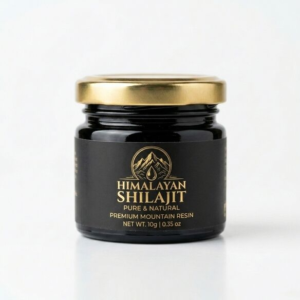
If you’re looking for a clean, properly sourced Himalayan shilajit to start with, Himalayan Shila‘s resin is third-party tested and free from contaminants – a good starting point for both beginners and experienced users alike.
Disclaimer
This article is for informational purposes only and does not constitute medical advice. Shilajit is a supplement, not a drug, and has not been evaluated by any regulatory authority for the treatment or prevention of any medical condition. Always consult a qualified healthcare provider before starting any new supplement, especially if you have an existing health condition or take prescription medications.